Cem Karaca
Musician, rock artist, and author
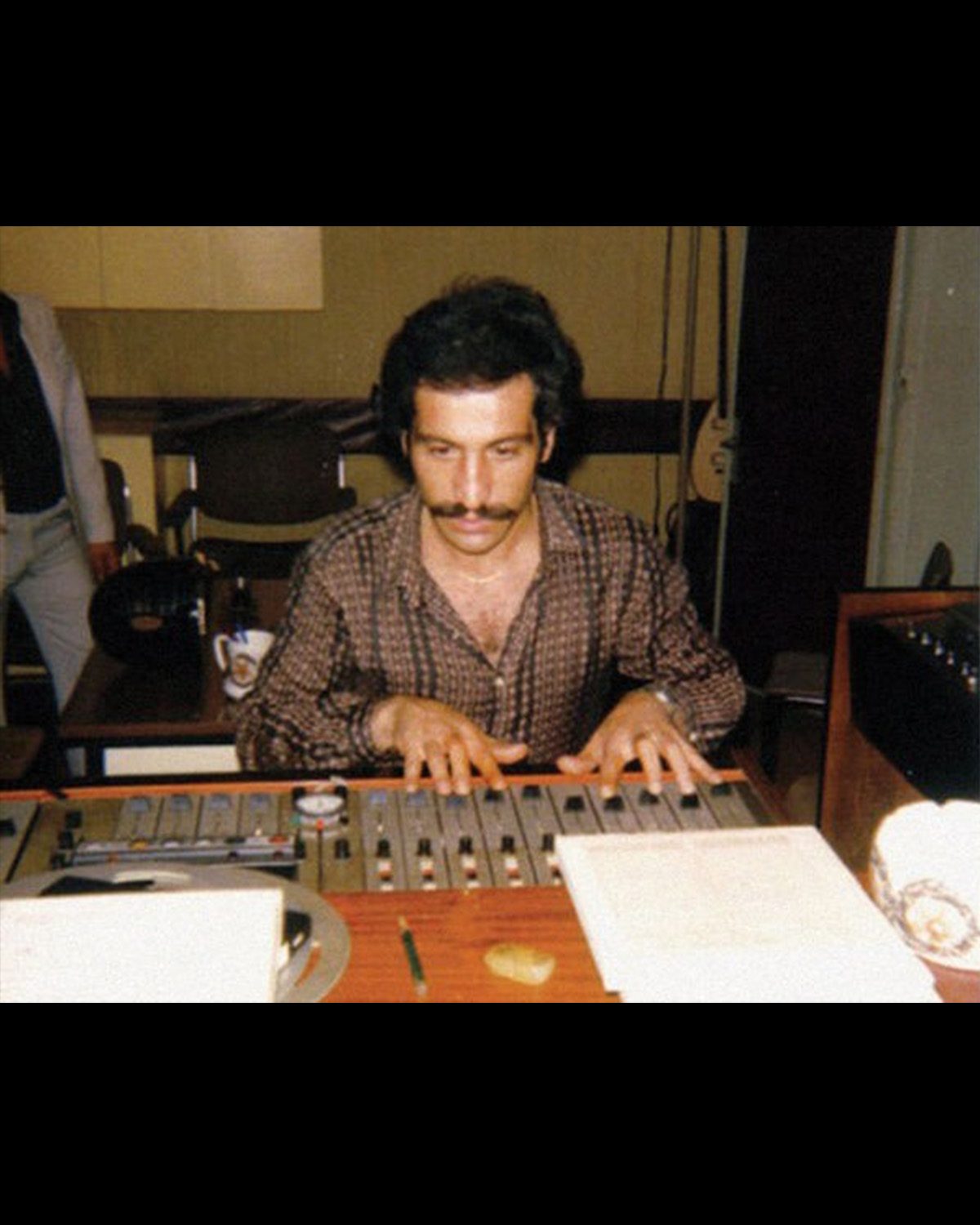
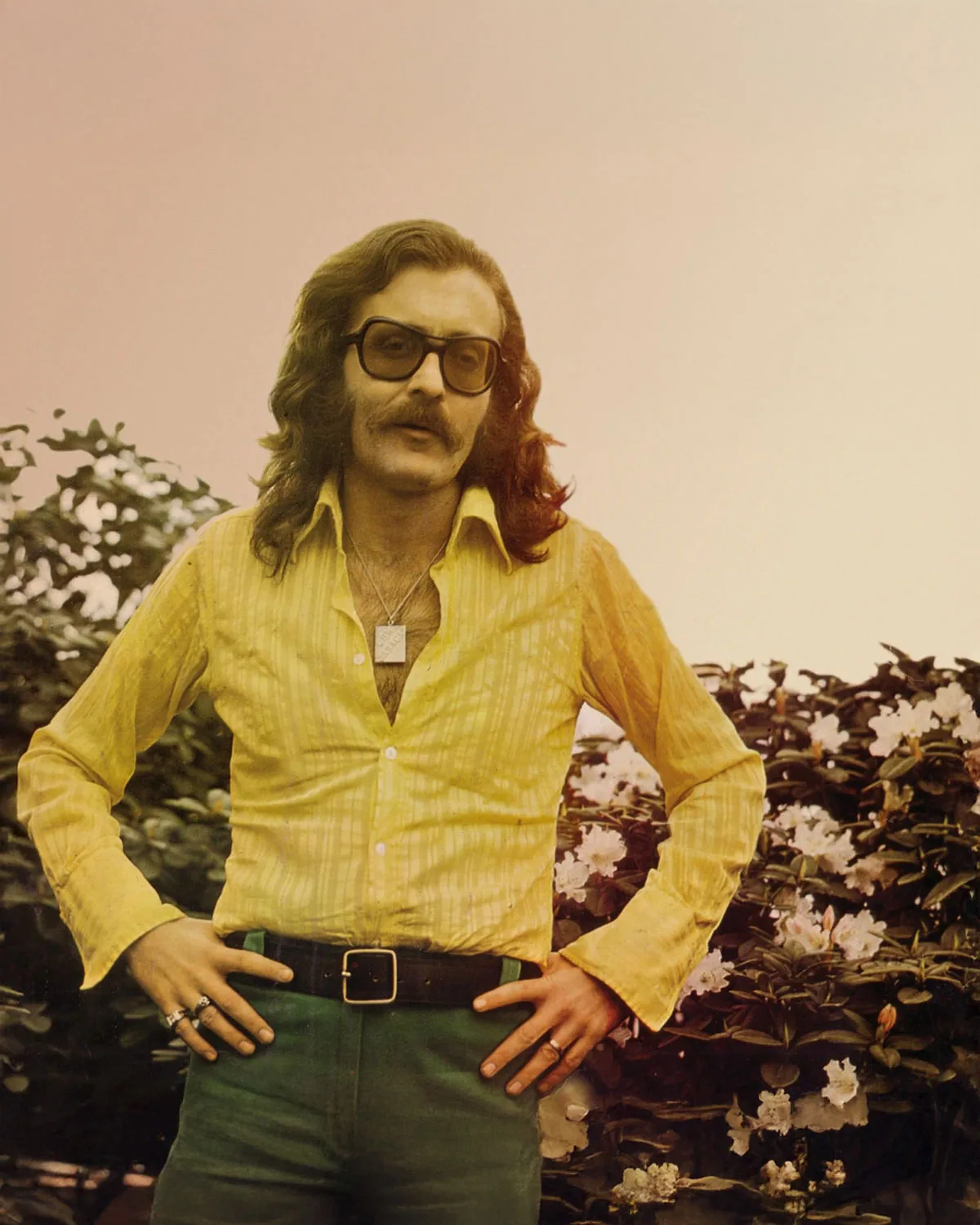
He was the only child of Mehmet İbrahim Karaca, a theatre actor, and İrma Felekyan (Toto Karaca), a popular opera, theatre and movie actress. His first group was called Dynamites and was a classic rock cover band. Later he joined Jaguars, an Elvis Presley cover band. In 1967, he started to write his own music, joining the band Apaşlar (The Rowdies), his first Turkish language group. The same year, he participated in the Golden Microphone (Turkish: Altın Mikrofon) contest, a popular music contest in which he won second place with his song “Emrah”. In 1969, Karaca and bass-player Serhan Karabay left Apaşlar and started an original Anatolian group called Kardaşlar (The Brothers). In 1972, Karaca joined the group Moğollar (The Mongols) and wrote one of his best-known songs, "Namus Belası". However, Cahit Berkay, the leader of Moğollar, wanted an international reputation for his band, and he left for France to take the group to the next level. Karaca, who wanted to continue his Anatolian beat sound, left Moğollar and started his own band Dervişan (Dervishes) in 1974. Karaca and Dervişan sang poetic and progressive songs. In early 1979, Karaca left for West Germany for business reasons. In 1980 he began singing in the German language with the song Nazim Hikmet - Kız Çocuğu (in English: Little girl): Cem performed the German verses alternating with his friend, manager, arranger and bandleader/musician Ralf Mähnhöfer accompanying him on grand piano, solo or with the band Anatology, singing the song in the Turkish language. While Karaca was in Germany his father died, but he could not return to attend the funeral. After some time, the Turkish government decided to strip Cem Karaca of his Turkish citizenship, keeping the arrest warrant active. Several years later, in 1987, the prime minister and leader of the Turkish Motherland Party, Turgut Özal, issued an amnesty for Karaca. Shortly afterwards, he returned to Turkey. His return also brought a new album with it, Merhaba Gençler ve Her zaman Genç Kalanlar ("Hello, The Young and The Young at Heart"), one of his most influential works. His return home was received cheerfully by his fans, but during his absence Karaca had lost the young audience and acquired only a few new listeners. He died of a heart attack on February 8, 2004 and was interred at Karacaahmet Cemetery in the Üsküdar district of Istanbul.